June 16, 2026
In today's rapidly evolving construction industry, choosing the right materials for roadworks and residential projects is crucial. Among the myriad of options available, asphalt pavers stand out as a preferred choice for many contractors and property owners. This article explores the various reasons why asphalt pavers are the optimal choice for your paving needs. As infrastructure demands grow, so does the necessity for sustainable, durable, and cost-effective solutions, with asphalt paving leading the charge. From urban landscapes to suburban avenues, asphalt continues to lay a reliable foundation for modern infrastructure projects.
Durability and Longevity
Resistance to Wear and Tear
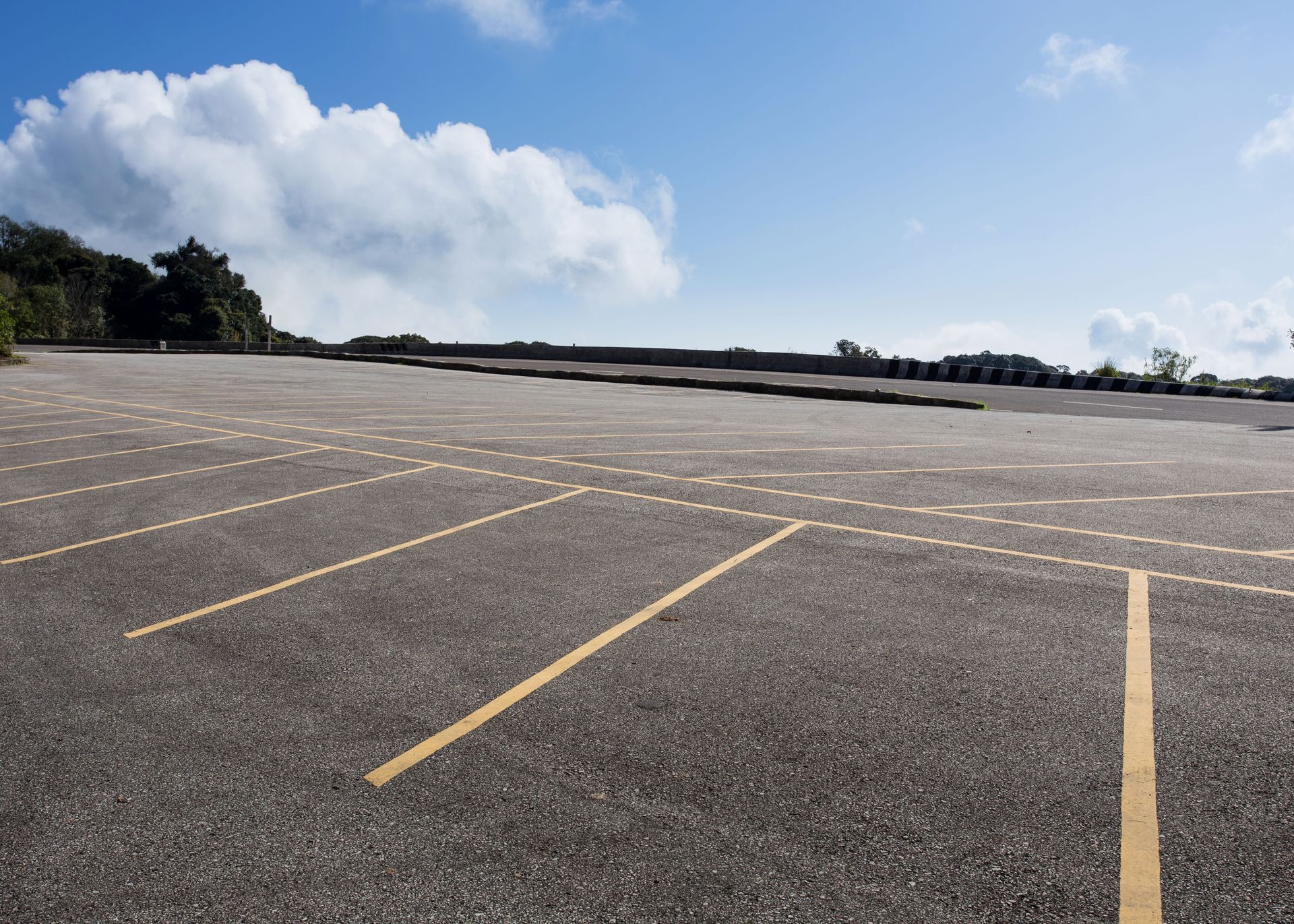
Asphalt pavers are known for their ability to withstand heavy traffic and weight loads, making them ideal for high-use areas. The unique composition of asphalt allows it to flex under pressure, reducing the risk of cracking over time. Given these properties, it is no surprise that asphalt is often chosen for highways, airport runways, and parking lots. The resilience to wear and tear directly translates into fewer repairs and disturbances, maintaining operational continuity for transportation and commercial activities. The cost savings from repairs and prolonging the life of a pavement surface make asphalt a strategic choice for contractors.
Weather Resilience
Climate adaptability is one of asphalt's standout features, performing exceptionally well in diverse weather conditions. Its flexibility allows it to expand and contract with temperature changes, maintaining its structural integrity through both hot summers and freezing winters. This adaptability reduces the formation of potholes and other weather-induced damages, which are often seen in more rigid materials like concrete. Furthermore, asphalt's dark color helps in retaining heat, which is beneficial in colder climates, preventing snow and ice accumulation. The resilience to various weather conditions ensures safety and reliability for all-weather operations, placing asphalt ahead in versatility.
Maintenance and Repairs
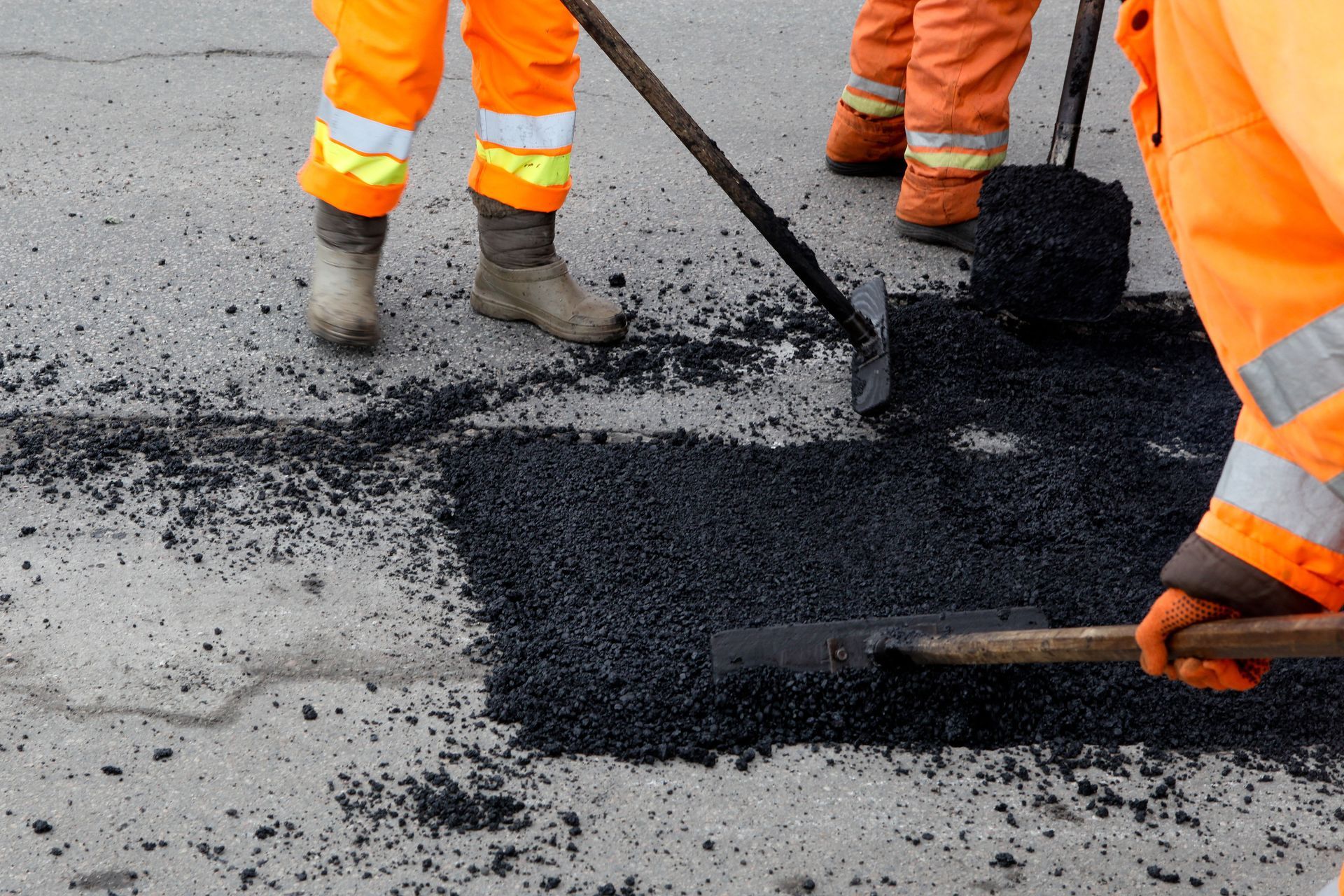
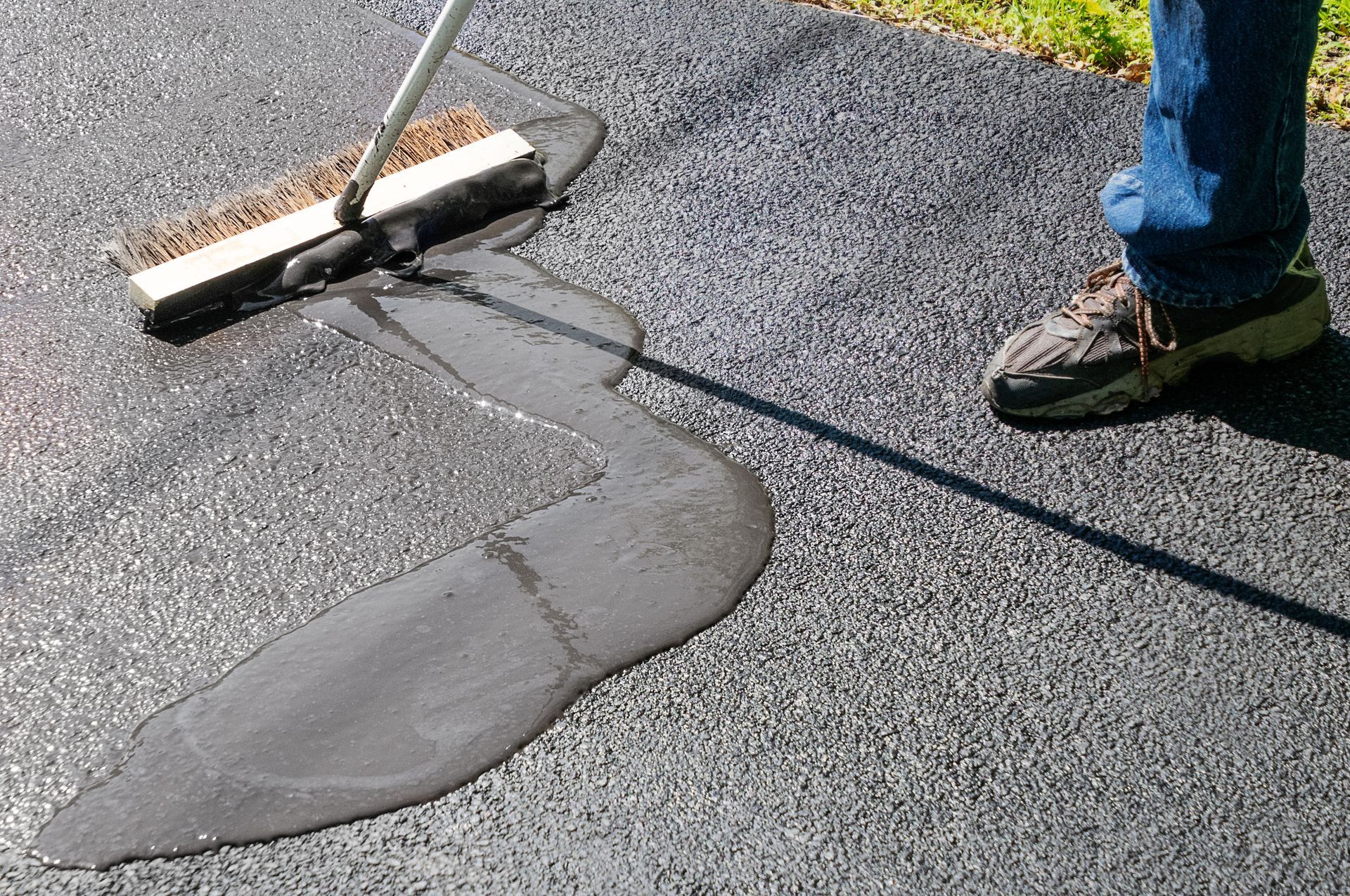
Routine maintenance of asphalt surfaces is minimal and straightforward, offering considerable ease to property managers and city planners. Sealants and overlays used in asphalt paving processes ensure the long-term durability and appearance of the surface. Repairs, when necessary, are usually quick and cost-effective, with patching options available that do not require complete removal of existing structures. Timely maintenance not only extends the longevity of the asphalt but also significantly minimizes operational disruptions. These aspects make asphalt an attractive option for public infrastructure projects where time and money are major considerations.
Longevity
When properly installed and maintained, asphalt surfaces can last for decades, providing a sustained return on investment. The expected lifespan of asphalt pavements is typically 15 to 20 years, with the most durable installations even surpassing these figures. This longevity ensures that initial outlay costs are spread over a long period, translating to cost-efficiency. Modern techniques and materials have further enhanced the lifespan of asphalt, keeping pace with evolving construction technology. Property owners and municipal planners are often assured of their investment's worth when choosing asphalt due to its proven track record over time.
Comparative Analysis with Other Materials
Compared to other materials like concrete and gravel, asphalt pavements have not only a longer lifespan but also a market edge in versatility and cost. Concrete, while durable, is often more expensive, takes longer to install, and is prone to cracking in freeze-thaw cycles. Gravel roads require frequent grading and do not provide the smooth surface of asphalt, which is crucial for a comfortable ride. Asphalt's quick installation and curing times further distinguish it from these alternatives, allowing projects to progress swiftly with reduced labor costs. The choice of asphalt represents a balanced solution of durability, economy, and user experience.
Cost-Effectiveness
Initial Installation Costs
Asphalt pavers offer competitive pricing compared to alternative materials, keeping project budgets manageable. The production and installation processes of asphalt are resource-efficient, allowing for reduced initial expenses. From procurement to laying, the costs associated with asphalt are consistently favorable, attracting both small-scale urban planners and large-scale governmental projects. Furthermore, since asphalt is widely used, the economies of scale lead to even greater cost benefits. This affordability, coupled with durability, makes asphalt a savvier choice among clients seeking balanced budget allocation.
Long-term Savings
The combined factors of durability and low maintenance lead to reduced long-term financial commitments. Investing in asphalt initially can lead to significant savings in repair and resurfacing costs over the years. Additionally, the recyclable nature of asphalt means old surfaces can be reused, thus further reducing costs on materials when resurfacing is required. Furthermore, asphalt's efficiency in manufacturing processes leads to competitive pricing without compromising on quality. These factors collectively contribute to the long-term financial advantages for stakeholders who choose asphalt.
Reduced Installation Time
The quick setting time of asphalt decreases labor costs and shortens project timelines. Unlike concrete, which can take several days to cure, asphalt can often be ready for use within hours, accelerating project completion significantly. This attribute is particularly beneficial in urban areas where road closure times need to be minimized to avoid disruption. Furthermore, faster installation means reduced deployment of human resources, directly reducing associated costs. The combined effect of reduced time and worker efficiency contributes to the overall attractiveness of asphalt as the ideal paving material.
Resource Efficiency
The production and installation of asphalt use materials and processes that are resource-efficient. With approximately 3,500 asphalt production sites across the U.S., the extensive availability supports both local economies and national infrastructure demands. Innovations in asphalt production have optimized the use of raw materials, contributing to efficient resource management. By reducing energy consumption and minimizing waste, the industry not only meets economic benchmarks but also aligns with environmental consciousness. The culmination of these efficiencies supports the cost-effective nature of asphalt projects.
Recyclability
Asphalt is highly recyclable, allowing for further cost reductions and sustainability improvements. Old asphalt surfaces can be milled and reused, diminishing the need for new raw materials, an approach that significantly benefits both the environment and economic balance sheets. Recycled asphalt performs as well as new asphalt, promising quality and reliability in reuse applications. This recyclability aligns with global sustainability initiatives, responding to increasing demands for eco-friendly construction practices. Not only does this reduce costs, but it also brings asphalt closer into alignment with sustainable development goals. According to the National Asphalt Paving Association, the U.S. has roughly 3,500 asphalt production sites and produces about 350 million metric tons per year.
Sustainability
Recyclable Materials
Asphalt is one of the most recycled materials in the world, easily reused in new paving projects through an efficient reclamation process. Reclaimed asphalt pavement is a testament to the material's sustainable life cycle, allowing the industry to significantly reduce its carbon footprint. Through meticulous milling and reclaiming processes, previously used asphalt can be reshaped and reformed, retaining its strength and integrity. Municipalities increasingly rely on recycled asphalt to extend their budgets while contributing to environmental conservation. The closed-loop recycling process underpins asphalt's role as a sustainable option in contemporary construction.
Asphalt pavers offer a combination of durability, cost-effectiveness, sustainability, versatility, safety, and technological adaptability that stands unmatched. These factors collectively ensure that asphalt remains a compelling choice for constructors and clients looking for reliable and efficient paving solutions. Making the switch to asphalt pavers could be the best decision for your next project. As urban environments continue to evolve, the merits of asphalt paving will doubtlessly provide sturdy support to new, emerging infrastructural demands. Be sure to reach out to Tandem Paving Co Inc today to learn more about our professional asphalt pavers!