June 8, 2026
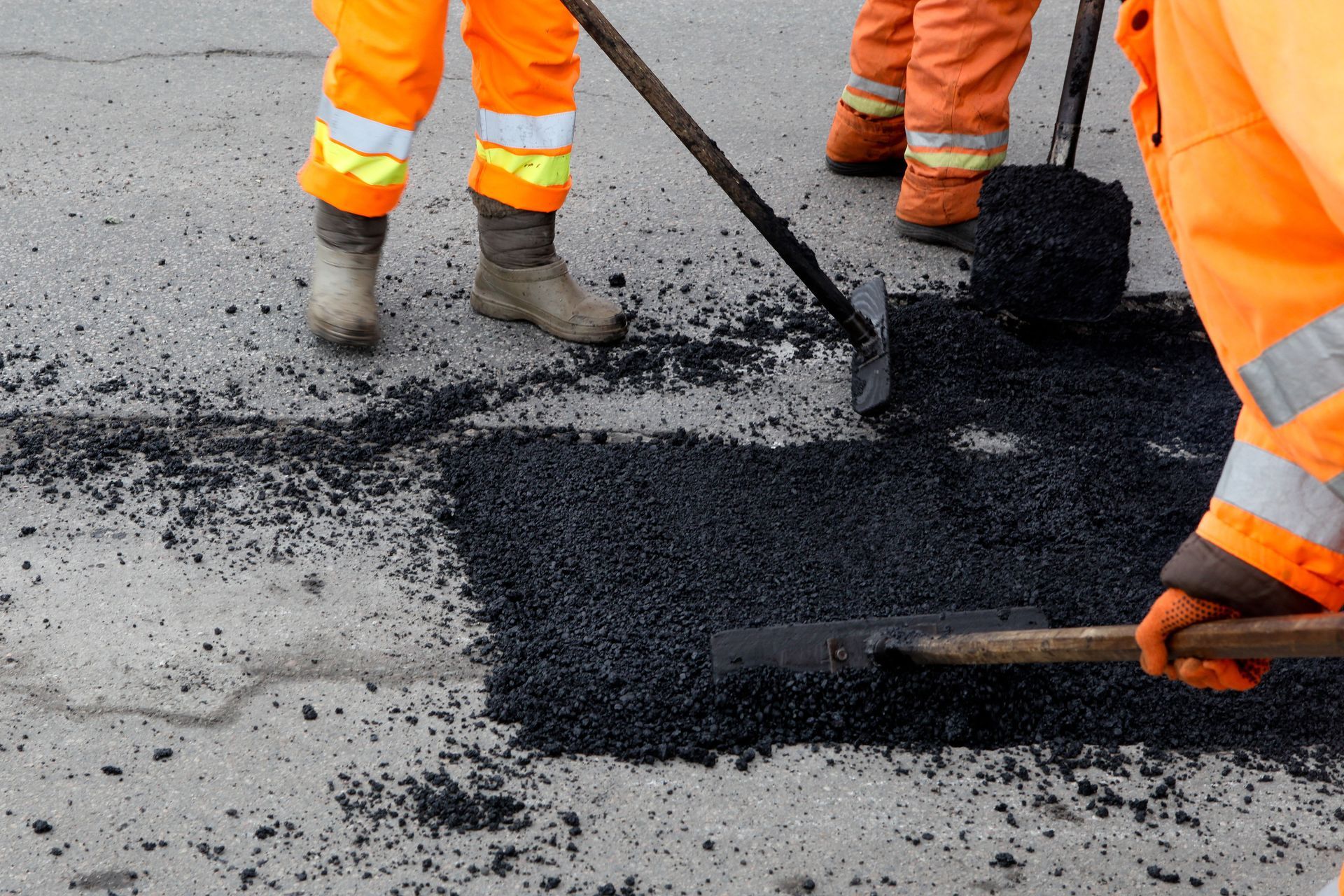
Delaying road maintenance may seem minor at first, but damage escalates quickly. When pot hole repairs are postponed, small cracks expand and weaken the pavement beneath the surface, even if the road still looks intact. Weather and traffic speed up this process as water seeps in, freezes, expands, and breaks the structure further, while vehicle pressure deepens the damage. Stress also spreads to nearby pavement, triggering additional pot holes in surrounding areas. Without timely pot hole repairs, deterioration becomes more widespread, harder to fix, and more expensive over time.
Preventing Vehicle Damage and Maintenance Costs Rising With Pot Hole Repairs
Vehicle damage is one of the most immediate results of poor road conditions. Each impact with a pot hole puts sudden stress on tires, suspension, and alignment components, leading to wear that often builds quietly over time. Pot hole repairs help reduce these risks by restoring smoother driving surfaces, while neglect leads to ongoing costs that could have been avoided.
Suspension systems are especially sensitive to repeated impacts. Even a single strong hit can affect shocks, struts, and steering stability, which are designed for gradual rather than sudden force. When pot hole repairs are delayed, damage becomes more frequent and harder to predict, leading to reduced performance and more frequent maintenance.
Tire damage is another common issue tied to road conditions. Sharp edges and deep holes can cause punctures, bulges, or sudden blowouts, often at higher speeds where risks and repair costs increase. Consistent pot hole repairs help reduce these failures and extend tire lifespan, creating safer and more reliable driving conditions overall.
Reducing Safety Hazards and Accident Risks With Pot Hole Repairs
Safety risks rise significantly when road surfaces are uneven or damaged. Drivers often react suddenly to avoid potholes, leading to swerving or abrupt braking that can trigger chain-reaction crashes in busy traffic. Pot hole repairs help remove these hazards by restoring stable, predictable driving conditions and reducing uncertainty on the road.
Two-wheeled vehicles are even more exposed to these risks. Motorcycles and bicycles have limited stability, so even small potholes or sharp edges can cause loss of control or serious injury. Timely pot hole repairs are essential for protecting all road users, not just standard vehicles.
Night driving adds further risk due to reduced visibility. Drivers may not see road damage until the last moment, leaving little time to react safely. Consistent pot hole repairs improve surface reliability and help reduce these unexpected hazards in all conditions.
Protecting Community Value and Infrastructure Aging With Pot Hole Repairs
Road conditions directly influence how communities are perceived. Poorly maintained streets can reduce neighborhood appeal, even when surrounding properties are well kept. Buyers often associate infrastructure quality with long-term maintenance standards. Pot hole repairs help preserve curb appeal and maintain consistent community value. This supports stronger residential stability over time.
Infrastructure naturally ages, but lack of maintenance accelerates that process. Small cracks gradually expand into larger structural failures if not addressed early. Surface damage that appears minor often reflects deeper wear beneath the asphalt. According to widely referenced information from Bob Vila, asphalt pavement typically lasts around two decades under normal conditions. However, that lifespan can shorten significantly without consistent maintenance, including timely pot hole repairs.
Municipal costs also rise when repairs are delayed. Minor fixes are far more affordable than full reconstruction projects. When deterioration spreads, repair work becomes more invasive and resource-heavy. Pot hole repairs help control long-term infrastructure spending by addressing problems early. This prevents unnecessary strain on public budgets and infrastructure systems.
Managing Environmental Impact and Resource Depleting Through Pot Hole Repairs
Road conditions also affect environmental performance in indirect but meaningful ways. Uneven surfaces force drivers to slow down and accelerate more frequently. This increases fuel consumption and leads to higher emissions over time. Pot hole repairs help create smoother traffic flow, which reduces unnecessary fuel waste. This supports more efficient and environmentally responsible driving behavior.
Material usage is another important consideration in infrastructure upkeep. Full-scale reconstruction requires large quantities of asphalt and aggregate materials. These resources take energy and extraction processes to produce. Pot hole repairs, when done efficiently, reduce the need for repeated large-scale resurfacing. This helps conserve natural resources over the long term.
Water infiltration is also a growing concern with damaged pavement. Cracks allow water to penetrate deeper layers, weakening the base structure and increasing erosion. This can also contribute to runoff issues that carry debris into surrounding drainage systems. Consistent pot hole repairs help maintain surface integrity and reduce water-related damage. This supports more stable environmental conditions around roadways.
Improving Traffic Flow and Commuter Experience With Pot Hole Repairs
Traffic flow depends heavily on consistent road surfaces. When drivers encounter damage, they slow down or shift lanes unexpectedly. These reactions create bottlenecks that extend beyond the immediate area. Pot hole repairs help restore smooth movement and reduce unnecessary delays. This improves efficiency across entire road networks.
Commuters are especially affected by inconsistent driving conditions. Small delays may seem minor but add up significantly over time. Unpredictable routes also increase stress during daily travel. Pot hole repairs contribute to a more stable and predictable driving experience. This helps reduce frustration and improve overall commute quality.
Public transportation systems also rely on reliable infrastructure. Buses and service vehicles require stable roads to maintain schedules and reduce mechanical strain. Damaged roads often lead to delays and higher operational costs. Pot hole repairs support consistent transit performance and improved service reliability. This benefits entire communities that depend on public transport.
Advancing Repair Technologies and Policy Strengthening With Pot Hole Repairs
Modern repair methods continue to improve how road maintenance is handled. New materials and application techniques allow for longer-lasting results and faster installation. These advancements reduce downtime and improve durability. Pot hole repairs benefit directly from these innovations when applied consistently. This helps improve overall infrastructure efficiency.
Monitoring technology is also transforming maintenance strategies. Sensors and data-driven systems can identify weak points before visible damage appears. This allows for earlier intervention and more precise repairs. Pot hole repairs become more proactive rather than reactive under these systems. This shift improves long-term cost control and planning accuracy.
Policy and governance also play an essential role in maintenance success. Clear standards ensure consistent repair quality across different regions. Reporting systems allow communities to flag issues quickly for faster response. Pot hole repairs become more effective when supported by structured oversight and accountability. This strengthens overall infrastructure reliability.
Reinforcing Long Term Infrastructure Stability With Pot Hole Repairs
Long-term road stability depends on consistent maintenance rather than large, infrequent repairs. Small defects are often early indicators of deeper structural issues. When addressed quickly, pot hole repairs help preserve the underlying foundation of the pavement. This reduces the need for full reconstruction and extends road lifespan.
Preventative maintenance also improves financial planning for municipalities. Instead of reacting to widespread failures, budgets can be distributed across smaller, manageable repairs. Pot hole repairs are a key part of this preventative strategy. They help reduce sudden financial strain caused by unexpected infrastructure collapse.
Communities benefit when roads remain consistently reliable. Stable transportation systems support commuting, commerce, and emergency services. Pot hole repairs contribute directly to this stability by preventing small issues from escalating. This results in smoother daily operations and more dependable infrastructure overall.
Delaying road maintenance creates widespread effects that impact safety, cost, and long-term infrastructure performance. Addressing issues early helps reduce vehicle damage, improve traffic flow, and support stronger community value. It also limits environmental strain and prevents unnecessary resource use. Prioritizing timely pot hole repairs leads to safer, more efficient, and more sustainable road systems. For reliable service and long-term results, connect with Tandem Paving Co Inc.